
The Thrill of Chance
One of the primary psychological factors driving individuals to casinos is the thrill of chance. This concept taps into the innate human attraction to risk and uncertainty. The anticipation that builds as players await the outcome of their bets can evoke a rush of adrenaline, making the experience highly stimulating. For many, this sense of excitement is akin to a roller coaster ride, where unpredictability adds to the overall enjoyment. In a casino setting, players can explore the best betting sites canada to enhance their gaming experience, where each spin of the wheel or flip of a card becomes a mini-adventure filled with possibilities, creating an immersive experience that keeps players returning for more.
The psychology of chance also plays on the concept of reward. When a player wins, the feeling of euphoria can be intoxicating, reinforcing the desire to continue playing. This phenomenon is supported by the release of dopamine, a neurotransmitter associated with pleasure and reward. Each small win can lead to a cycle of behavior where players chase that high, often disregarding the risks involved. This compulsion underscores why many find themselves drawn back to gaming environments time and again, as the promise of potential rewards can overshadow the reality of losses.
Moreover, the element of chance provides an escape from reality. For individuals seeking a break from their everyday lives, the unpredictable nature of casino gaming offers a way to experience thrills and excitement that is often missing in routine tasks. This escapism can be particularly appealing in today’s fast-paced world, as the casino ambiance immerses players in a vibrant atmosphere that stimulates the senses and offers a temporary reprieve from life’s pressures. The experience of chance becomes a means of coping with stress and seeking out moments of joy and exhilaration, making it a powerful draw for many.
The Social Aspect of Gaming
Beyond the thrill of chance, the social dynamics present in casino environments play a significant role in attracting players. Casinos are inherently social spaces where individuals come together, sharing experiences and camaraderie. The interaction between players, whether at a poker table or slot machine, fosters a sense of community. This social engagement can enhance the overall gaming experience, as it allows individuals to bond over shared victories or commiserate over losses. Engaging with others can create lasting memories, transforming gambling into a shared adventure.
Additionally, the presence of friends or fellow players can inject a sense of competition into the gaming experience. This competitive spirit heightens excitement levels, encouraging players to engage more deeply with the games. Many find that sharing their gambling experiences with others leads to more memorable moments, solidifying the emotional ties to their gaming habits. The thrill of competition can amplify individual enjoyment, making each win feel more significant when celebrated with others, thus reinforcing social bonds.

Furthermore, the communal atmosphere often leads to a ‘buzz’ that is palpable within casinos, enhancing the appeal of the experience. This social phenomenon can influence individual behaviors, prompting players to gamble more than they might on their own. The desire to fit in or be part of a group may lead to decisions that prioritize social acceptance over individual strategies, thereby deepening the emotional connection to casino gaming. Ultimately, the social aspects of gaming provide layers of meaning that extend beyond mere financial considerations.
The Allure of Winning Big
The prospect of winning large sums of money is a powerful motivator for many casino goers. The dream of hitting the jackpot or landing a life-changing win fuels the imagination and entices individuals to participate in various games. This aspiration is often heightened by the visibility of jackpot winners and promotional campaigns showcasing big payouts, creating a narrative that anyone could be next. Such narratives amplify the hope and excitement associated with gaming, making the idea of significant wins a central theme for many players, driving them to engage more fervently with the games.
Moreover, cognitive biases play a crucial role in how individuals perceive their chances of winning. Many players tend to overestimate their likelihood of success, encouraged by the stories of past winners and the illusion of control over their outcomes. This cognitive bias can lead players to invest more time and money than they initially planned, driven by the hope that luck may favor them. The allure of winning is often compounded by the gamified nature of casino experiences, where every small win reinforces the belief that a big win is just around the corner, creating a cycle of hopeful anticipation.
However, this focus on potential rewards can also come with psychological pitfalls. The more a player chases after the prospect of winning, the greater the risk of developing harmful gaming habits. This cycle is perpetuated by the gaming industry’s design, where games are tailored to maximize player engagement and increase the chances of prolonged play. Understanding this dynamic highlights the importance of approaching casino gaming with caution, recognizing that the excitement of winning must be balanced with awareness of the inherent risks involved. Responsible gaming practices are essential to mitigate the negative consequences that may arise from excessive gambling.
The Role of Environment in Gaming Behavior
The environment of a casino significantly influences players’ psychological experiences and behaviors. With their bright lights, engaging sounds, and vibrant decor, casinos are designed to create a stimulating atmosphere that captures players’ attention. This sensory overload can enhance the gaming experience, making it easy for individuals to lose track of time and their spending. The carefully curated ambiance encourages a sense of escape, drawing players into a world that prioritizes entertainment and excitement, making it challenging to resist the allure of continued play.
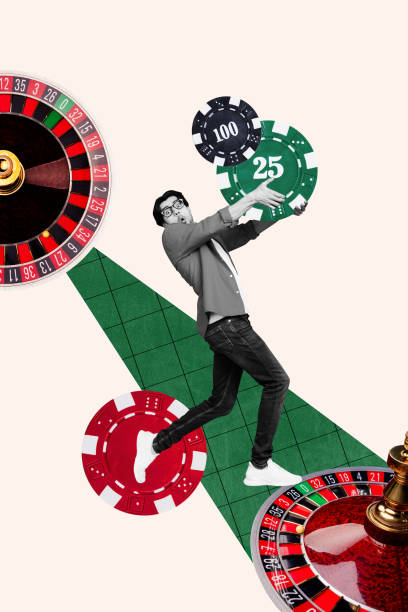
Furthermore, the strategic placement of games and the use of free drinks can manipulate players’ decision-making processes. Casinos often employ psychological tactics to keep individuals engaged longer, such as providing immediate rewards or creating a feeling of continuous play. This design ethos can lead to prolonged gaming sessions and greater expenditures, reinforcing the notion that casinos are not just places to gamble but immersive entertainment experiences that affect behavior on multiple levels. The interplay between the environment and player psychology is a crucial aspect of understanding gaming behavior.
Social cues within the casino environment also affect player behavior. The presence of crowds, celebratory moments, and the sheer energy of the atmosphere can motivate players to gamble more generously than they would in a quieter setting. This communal excitement can amplify individual emotions, creating a feedback loop that encourages ongoing play. Understanding how the environment shapes gaming behavior underscores the significance of context in the psychology of casino gaming, revealing a complex interplay between individual choices and external influences that can lead to both positive and negative outcomes.
Understanding Your Gaming Habits
As players engage with casino gaming, understanding their own psychological motivations can be essential for responsible play. Awareness of factors such as the thrill of chance, social influences, and the environment can help individuals identify their triggers and set boundaries around their gaming habits. A reflective approach to gaming allows players to enjoy the experience while minimizing the risks associated with excessive gambling. Recognizing when gaming becomes problematic is crucial for maintaining a healthy relationship with this form of entertainment, enabling players to enjoy the thrill responsibly.
Furthermore, seeking support and understanding from friends or professionals can enhance one’s ability to navigate the complexities of gaming behavior. Many players benefit from community resources and tools designed to promote responsible gaming, providing guidance on how to remain in control while enjoying the excitement that casinos offer. This proactive strategy can empower individuals to make informed decisions that prioritize their well-being, ensuring that gaming remains a fun and enjoyable activity rather than a source of stress or obligation. The importance of community support cannot be overstated in fostering a healthy gaming environment.
In conclusion, understanding the psychology behind casino gaming can provide insights into why we play and how we can engage more responsibly. By embracing the excitement, social connections, and environmental influences while remaining mindful of our choices, we can enjoy the thrill of the gaming experience without compromising our overall well-being. This balance is key to transforming casino visits into enjoyable outings rather than potential pitfalls. Ultimately, a deeper understanding of our motivations can lead to healthier gaming habits and a more fulfilling relationship with this popular form of entertainment.